

What is Progressive Overload?
The foundational principle behind all successful strength training and muscle-building programs
Progressive overload is the gradual increase of stress placed upon the musculoskeletal and nervous systems during exercise. If you want to get stronger, build muscle, and see continuous progress, you must challenge your body to adapt to demands greater than what it's previously experienced.
The concept isn't new; it's the core reason why athletes get better and why beginners see rapid initial gains. Your body is an adaptation machine. When you consistently lift the same weight for the same number of reps, your body has no reason to change. Progressive overload provides that crucial reason.
Why Progressive Overload Matters
Without progressive overload, your body eventually adapts to your workouts and progress stalls. This is known as a plateau, and it's a natural part of training. The only way to push past plateaus is by introducing a new level of challenge.
Think of your muscles, bones, tendons, and nervous system as problem-solvers—if they encounter the same "problem" (same weight, same reps, same intensity), they'll stop growing and simply maintain.
Build Muscle
Hypertrophy through consistent challenge
Increase Strength
Progressive resistance builds power
Improve Endurance
Sustained effort over time
Athletic Performance
Enhance overall capabilities
The Four Pillars of Progressive Overload
You can apply the principle of progressive overload in several key ways. The most effective programs often combine these methods.
Increase Weight
The most straightforward method. Once you can complete your target number of reps and sets with good form, add more weight to the bar. Example: bench press 185 lbs for 3×8 this week, aim for 190 lbs next week.
Increase Repetitions
Add more repetitions with the same weight. If you hit 3 sets of 8 with 185 lbs, your next goal could be 3 sets of 9 or 10 with the same weight.
Increase Sets
Adding an additional set increases the total volume of your workout, a powerful driver for growth. Progress from 3 sets to 4 sets while keeping weight and reps the same.
Frequency & Form
Train a muscle group more often or improve movement quality—slow down the eccentric portion, pause at the bottom, or achieve greater range of motion.
Methods Compared: Choose Your Path
| Method | Best For | Pros | Cons |
|---|---|---|---|
| Adding Weight | Strength gains, powerlifting | Clear progression, builds max strength quickly | Can plateau fast, higher injury risk if rushed |
| Adding Reps | Muscle endurance, hypertrophy | Joint-friendly, sustainable long-term | Slower strength gains, sets can become lengthy |
| Adding Sets | Volume training, bodybuilding | Increases total volume effectively, versatile | Longer workouts, increased recovery demands |
| Tempo/Form | Mind-muscle connection, technique | Reduces injury risk, improves control | Harder to measure, subjective progress |
Progressive Overload Mistakes to Avoid
Progressing Too Quickly
Adding too much weight too fast leads to form breakdown and injury. Stick to 2.5-5 lb increases for upper body, 5-10 lbs for lower body exercises.
Sacrificing Form for Numbers
Using momentum, partial reps, or poor technique to hit a target defeats the purpose. Quality movement patterns always come first.
Not Tracking Your Workouts
Relying on memory means you're guessing, not progressing. Without data, you can't implement true progressive overload.
Ignoring Recovery
Progress happens during recovery, not in the gym. Overtraining without adequate rest, sleep, or nutrition will halt your gains and increase injury risk.
Never Taking Deload Weeks
Your body needs periodic breaks. Every 4-8 weeks, reduce volume or intensity by 40-50% to allow full recovery and prevent burnout.
Using Only One Method
Relying exclusively on one progression method (e.g., only adding weight) will lead to faster plateaus. Rotate between different methods for sustained progress.

Why Tracking is Non-Negotiable
You cannot effectively implement progressive overload if you are guessing what you did last week. Human memory is notoriously unreliable when it comes to workout details. Did you squat 225 for 8 or 9 reps last Tuesday? What was your rest time?
The Goal:
Have a precise plan for every single workout, based on data from your previous session. This ensures you're always providing a new, progressive stimulus to your body.
Tools for Tracking Your Progress
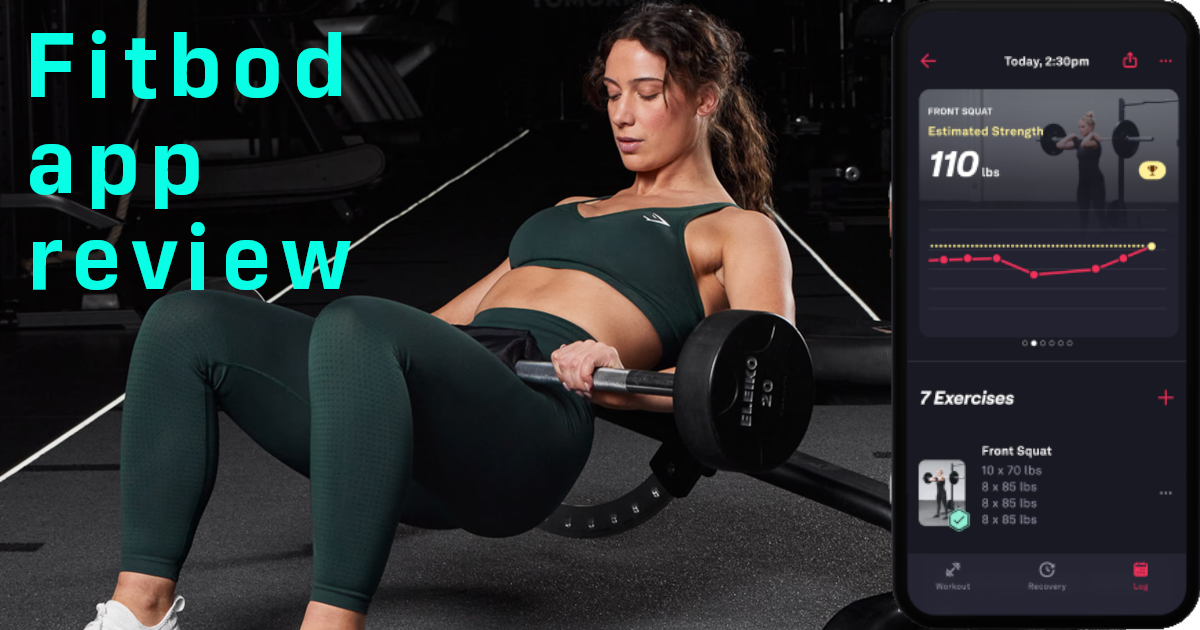
In today's digital age, there are superior ways to track your progress beyond paper notebooks. Modern fitness tracking apps allow you to log workouts efficiently, review past performance instantly, and plan your next session based on concrete data.
What to Look for in a Tracking Tool:
- Quick logging during workouts (mobile and wearable compatibility)
- Instant access to previous performance for any exercise
- Clear charts and analytics to visualize progress over time
- Support for tracking personal records and milestones
Popular options include apps like GymGod, Strong, Hevy, and others designed for serious lifters who want data-driven progress.
Ready to Transform Your Training?
Stop guessing and start growing. Embrace the principle of progressive overload and equip yourself with the right tools to execute it flawlessly.
Find a tracking solution that works for you and commit to consistent, measurable progress.